
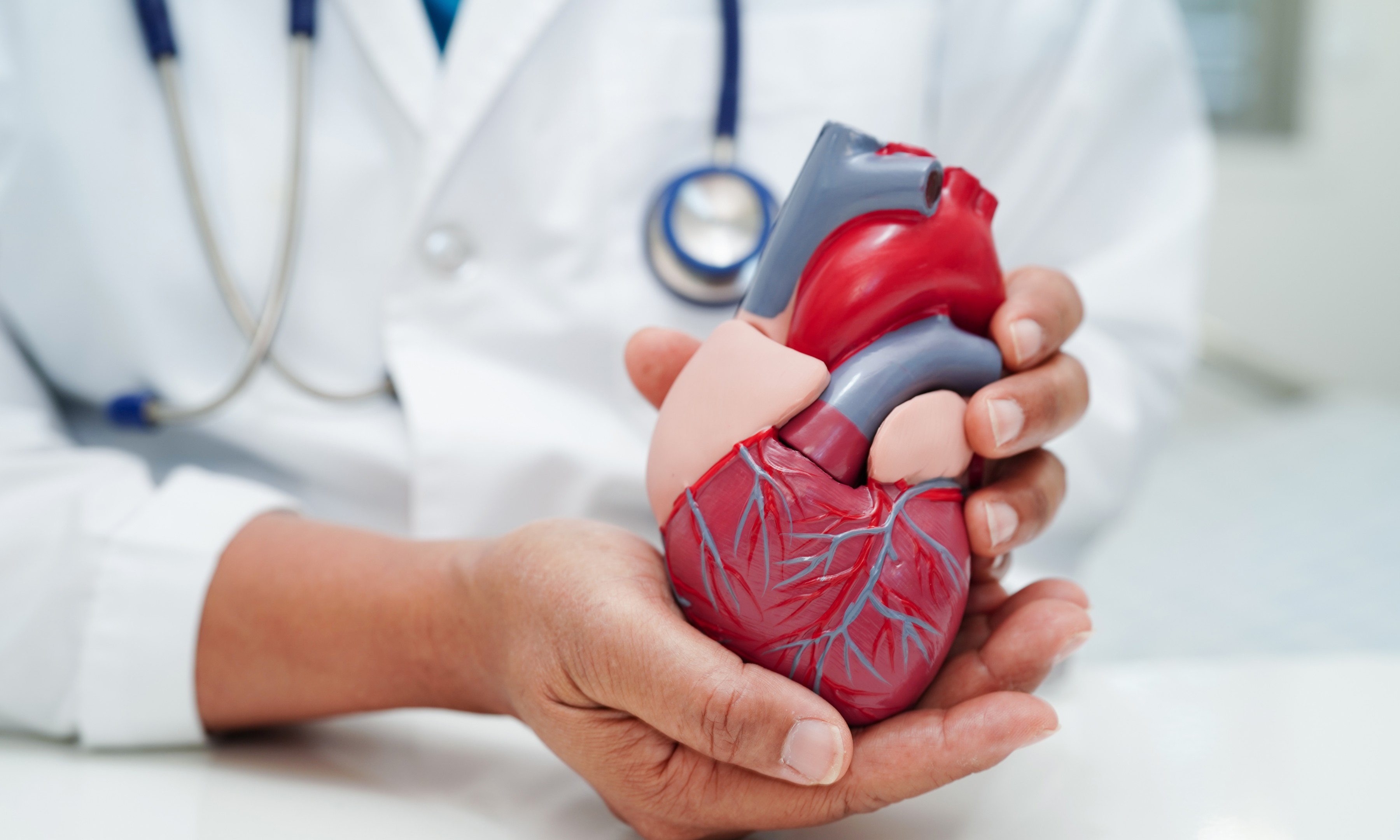
How to Recognize and Prevent Heart Disease
Heart disease remains one of the leading causes of death worldwide. It can affect anyone, regardless of age or gender, and often goes unnoticed until a significant problem arises. Understanding the signs, symptoms, and risk factors of heart disease is essential in preventing and managing it effectively. Regular checkups are key to early detection, and maintaining heart health requires both lifestyle changes and medical care. In this blog, we'll discuss how to recognize the symptoms of heart disease, its risk factors, and strategies to prevent it.
What Is Heart Disease?
Heart disease refers to a range of conditions that affect the heart, including coronary artery disease, arrhythmias, heart valve problems, and congenital heart defects. While the severity of these conditions can vary, they all share one common factor: they impede the heart's ability to pump blood efficiently. This can result in poor circulation and reduced oxygen levels in vital organs.
Common Signs and Symptoms of Heart Disease
Recognizing the early signs and symptoms of heart disease can save lives. The earlier the problem is identified, the sooner treatment can begin. Here are some common warning signs to watch out for:
-
Chest Pain or Discomfort
Chest pain, often described as tightness, pressure, or a squeezing feeling, is one of the most common symptoms of heart disease. This can occur during physical activity or at rest and is often a sign of angina or a potential heart attack. If you experience chest discomfort along with shortness of breath, nausea, or dizziness, seek medical attention immediately.
-
Shortness of Breath
If you experience difficulty breathing, especially during physical activity or when lying down, it could be a sign of heart failure. The heart struggles to pump blood efficiently, leading to fluid buildup in the lungs. Persistent shortness of breath should be taken seriously and evaluated by a healthcare professional.
-
Fatigue
Unexplained fatigue or extreme tiredness can be an early warning sign of heart disease, particularly in women. If you feel excessively tired even after a full night's sleep, it could indicate that your heart is not pumping blood as effectively as it should.
-
Swelling in the Legs, Ankles, or Feet
Swelling, or edema, in the lower limbs can occur when the heart cannot pump blood properly, causing fluid to accumulate in the body. This is common in heart failure and should be monitored carefully. Swelling accompanied by sudden weight gain or discomfort should be assessed by a healthcare professional.
-
Irregular Heartbeats (Arrhythmias)
A fluttering or racing heartbeat can be a sign of arrhythmia, a condition where the heart beats too fast, too slow, or irregularly. While occasional palpitations may be harmless, frequent irregularities or a racing heart accompanied by dizziness or fainting requires immediate medical attention.
-
Pain in Other Areas of the Body
Heart disease can cause pain that radiates from the chest to other parts of the body, such as the shoulders, arms, neck, jaw, or back. If this type of pain occurs with exertion or stress, it may indicate a problem with the heart, especially in the case of a heart attack.
-
Dizziness or Lightheadedness
Feeling dizzy or lightheaded can be caused by a reduction in blood flow to the brain. This is particularly concerning if it happens frequently or is accompanied by chest pain. Dizziness could be a symptom of arrhythmias or other cardiovascular issues that affect blood circulation.
Risk Factors for Heart Disease
Understanding the risk factors for heart disease is essential in preventing it. Some risk factors can be controlled through lifestyle changes, while others are inherited. The major risk factors include:
-
High Blood Pressure
High blood pressure (hypertension) forces the heart to work harder, increasing the risk of heart disease. It often goes unnoticed because it doesn't have obvious symptoms. Regular monitoring is crucial to detect high blood pressure early.
-
High Cholesterol
Cholesterol can build up in the arteries, restricting blood flow and increasing the risk of heart disease. A balanced diet, regular exercise, and medication (if necessary) can help control cholesterol levels.
-
Smoking
Smoking damages the blood vessels and increases the likelihood of plaque buildup in the arteries, contributing to heart disease. Quitting smoking significantly reduces the risk of heart problems.
-
Diabetes
People with diabetes have a higher risk of developing heart disease due to the damage high blood sugar levels cause to blood vessels. Proper management of diabetes through medication, diet, and exercise is critical.
-
Obesity
Being overweight or obese increases the risk of heart disease, especially when excess fat is stored around the abdomen. Maintaining a healthy weight through diet and exercise is crucial for heart health.
-
Family History
A family history of heart disease can increase your risk, particularly if close relatives developed heart problems at an early age. If heart disease runs in your family, it is essential to monitor your health more closely and make lifestyle changes to mitigate risk.
-
Stress
Chronic stress can have a negative impact on heart health by increasing blood pressure and contributing to poor lifestyle habits. Managing stress through relaxation techniques, exercise, and therapy is important for heart health.
Prevention Strategies for Heart Disease
The good news is that heart disease is largely preventable through lifestyle changes and proper medical care. Here are some strategies to keep your heart healthy:
-
Regular Checkups
Regular visits to your healthcare provider, such as a Heart Care Centre in Kanakapura Road, are essential for detecting any heart-related issues early. Blood pressure checks, cholesterol screenings, and overall heart health assessments can help prevent heart disease.
-
Healthy Diet
Eating a heart-healthy diet rich in fruits, vegetables, whole grains, lean proteins, and healthy fats can reduce the risk of heart disease. Limit the intake of saturated fats, salt, and processed foods.
-
Exercise Regularly
Physical activity helps maintain a healthy weight, reduces cholesterol levels, and improves circulation. Aim for at least 30 minutes of moderate-intensity exercise most days of the week.
-
Manage Stress
Practice stress-reducing techniques such as yoga, meditation, deep breathing, or hobbies to manage your stress levels and protect your heart.
-
Avoid Smoking
Quitting smoking is one of the most effective ways to reduce your risk of heart disease. Avoid exposure to second-hand smoke as well.
-
Control Blood Pressure and Cholesterol
If you have high blood pressure or high cholesterol, work with your doctor to control them through medications, diet, and lifestyle changes.
Frequently Asked Questions (FAQs)
A1: Regular checkups at a Heart Care Centre in Kanakapura Road and monitoring risk factors like blood pressure, cholesterol, and family history are key to understanding your risk.
A2: No, chest pain can have various causes, but if it's accompanied by other symptoms like shortness of breath, dizziness, or sweating, it requires immediate medical attention.
A3: While medication can help manage heart disease, a combination of lifestyle changes, including diet and exercise, is necessary for long-term heart health.